
 Mexico - Español
 China - 中文
 Australia - English
 Canada - English
 India - English
 United Kingdom - English
 United States - English
 France - Français
 Italy - Italian
 Brazil - Português
 Argentina - Español
 Chile - Español
 Colombia - Español
 Guatemala - Español
 Puerto Rico - Español
 Spain - Español
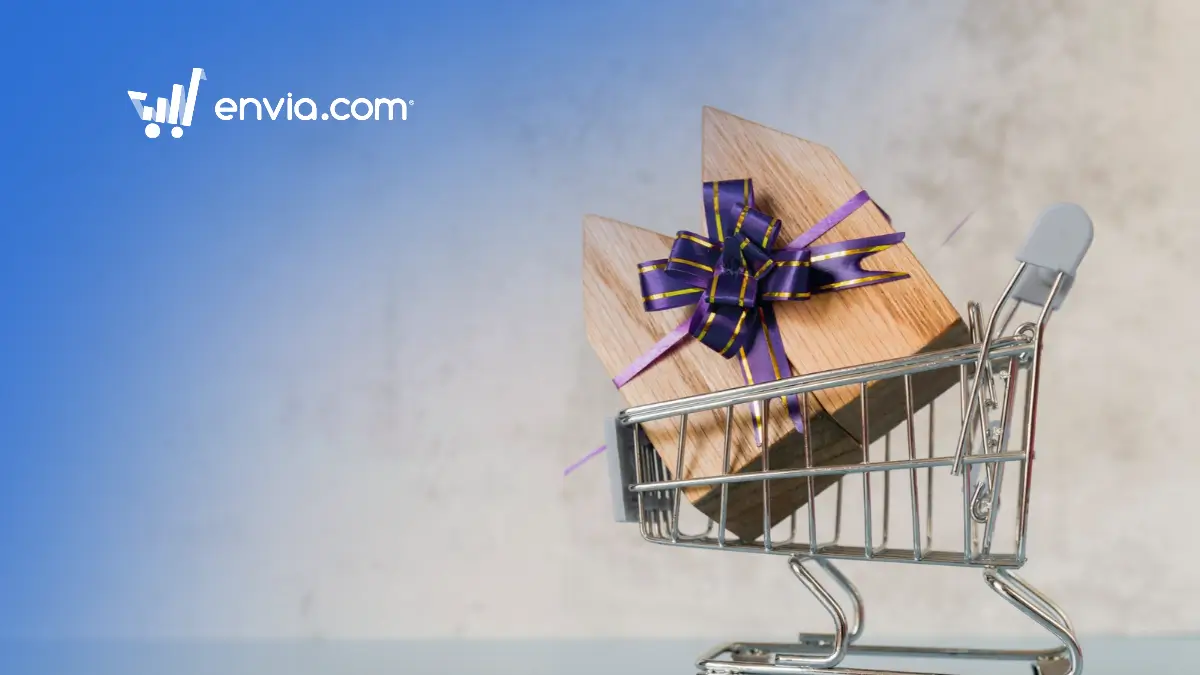
Imagine a customer walks into your store, picks a product, puts it in the cart and... disappears without paying. That's exactly what happens with around 70% of shopping carts in ecommerce globally, according to data from the Baymard Institute. In other words, out of every 10 shoppers who add something to their cart, only 3 end up paying.
The good news is that most of those lost sales aren't entirely lost. With the right strategies, it's possible to recover a significant portion of them.
What is an abandoned cart?
An abandoned cart happens when a user adds one or more products to an online store's shopping cart but doesn't complete the transaction. The shopper starts the purchase process but interrupts it before reaching the final payment.
This is one of the most closely monitored indicators in ecommerce because it represents a real purchase intent that didn't materialize. It's not a visitor who arrived at the store and left without interacting: it's someone who already chose a product and abandoned it in the final stretch.
What's the difference between an abandoned cart and an abandoned checkout?
Although they're used as synonyms, they're two distinct moments in the purchase process:
- Abandoned cart: the user adds products to the cart but doesn't start the payment process. They haven't shared any contact information yet.
- Abandoned checkout: the user starts the payment process (enters their email, address, or shipping details) but doesn't finish completing the transaction.
The distinction matters because it determines how feasible it is to recover that sale. An abandoned cart with no contact information is hard to reactivate directly; an abandoned checkout, on the other hand, already has enough information to send a personalized reminder.
Why do shoppers abandon their carts?
Understanding the causes is the first step to reducing them. These are the most common:
- Unexpected shipping costs. According to Shopify, almost half of abandoned carts are due to additional shipping costs and taxes. When a high charge appears at the end of the process, many shoppers leave.
- A long or complicated checkout process. Too many steps, lengthy forms, or being required to create an account before paying lead to abandonment.
- The shopper was still evaluating. Not everyone who adds to the cart is ready to buy: some use it as a wish list or to compare prices.
- Doubts about payment security. A site that doesn't convey visual trust or doesn't offer recognized payment methods creates uncertainty.
- Lack of payment options. If the customer can't find their preferred method (bank transfer, digital wallet, cash payment), they leave.
- External distractions. The shopper may have been interrupted and simply never came back.
- Uncertainty about returns. Without a clear return policy, the perceived risk of buying increases considerably.
Tip: Before investing in recovery strategies, analyze which of these causes accounts for the largest volume of abandonment in your store. Fixing the root problem is always more efficient than just reactivating those who've already left.
How to recover abandoned carts
Recovery emails
It's one of the most widely used tactics. When the user has left their information during checkout, a reminder email can reactivate the purchase. According to SAP Emarsys, a well-structured sequence usually includes 2 to 3 emails sent at scheduled intervals:
- First email (within the first hour): a friendly reminder showing the abandoned products with images and a clear button to return to the cart.
- Second email (12 to 24 hours later): includes product reviews, additional information, or social proof to build trust.
- Third email (24 to 48 hours later): can include an incentive such as free shipping or a limited-time discount to create urgency.
Push notifications and WhatsApp messages
For people who have downloaded your app or provided their phone number, direct WhatsApp messages or push notifications are an alternative to email. They work especially well for the first reminder, within the first hour.
Retargeting with ads
Users who abandoned their cart can see personalized ads with the exact products they left behind while browsing other platforms. It's a way to keep your store top of mind without being intrusive. It requires setting up tracking pixels on your site.
Optimizing the checkout process
Many abandonments can be prevented before they happen:
- Show the shipping cost before checkout. If your store offers free shipping above a certain amount, display it in the cart and on the product page, not just at the end of the purchase.
- Allow guest checkout. Don't force people to create an account to buy.
- Reduce the number of checkout steps. Fewer forms, fewer clicks, more conversions.
- Display security badges and recognized payment methods from the start of the process.
Strategic incentives
Discounts work, but overusing them can train shoppers to abandon their cart on purpose, waiting for an offer. A more sustainable strategy is to segment: offer discounts to new shoppers or to those who haven't bought in a long time, and for frequent customers use loyalty perks or priority shipping as the incentive.
Message personalization
An email that says "You forgot something in your cart" with the exact products the shopper chose usually performs better than a generic one. If you have access to purchase history, you can add recommendations for complementary products to increase order value.
How much can be recovered?
There's no universal number: it depends on the industry, the type of product, and how well the strategy is executed. What is certain is that, for a business with medium volume, recovering even a portion of abandoned carts can mean a significant increase in revenue without needing to increase traffic.
Shipping cost is one of the main causes of abandonment and also one of the easiest to solve. Offering competitive rates, displaying them transparently from the start, and providing shipping options (express or economy) are actions that reduce abandonment at the root.
Platforms like Envia.com let you connect your store with more than 40 ecommerce platforms, display real-time rates at checkout, and review carrier options before confirming each shipment, which directly eliminates one of the most frequent causes of abandoned carts.