
 Mexico - Español
 China - 中文
 Australia - English
 Canada - English
 India - English
 United Kingdom - English
 United States - English
 France - Français
 Italy - Italian
 Brazil - Português
 Argentina - Español
 Chile - Español
 Colombia - Español
 Guatemala - Español
 Puerto Rico - Español
 Spain - Español
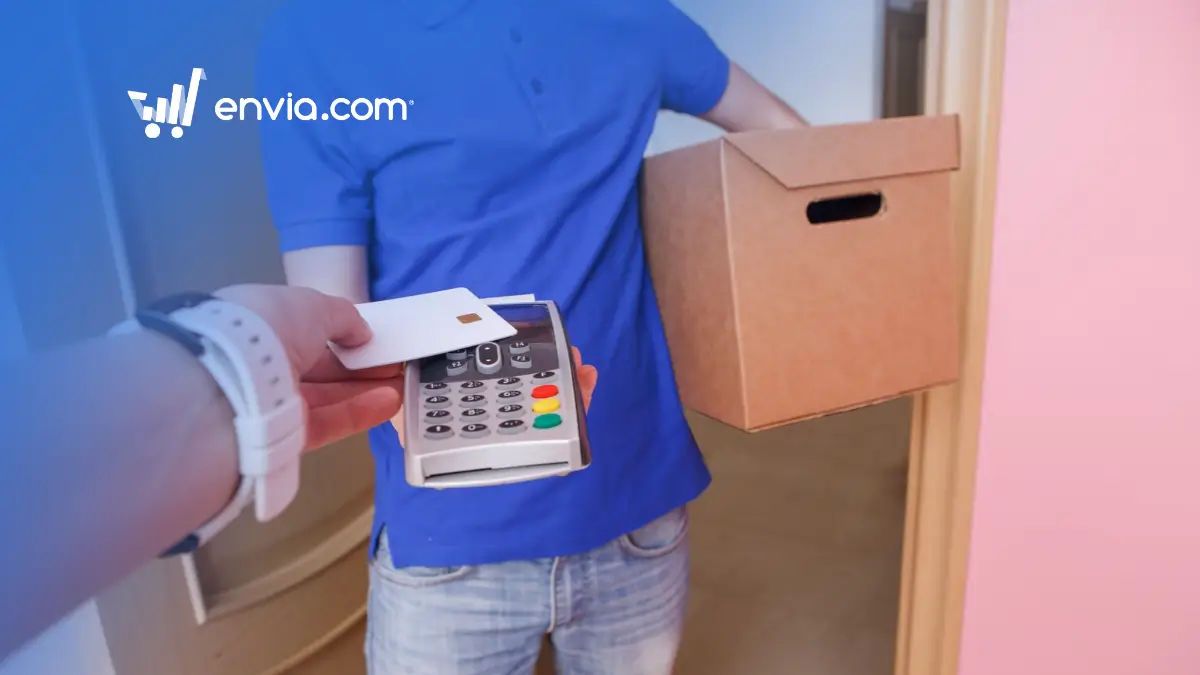
Selling online is a great opportunity for entrepreneurs, online stores, and companies that want to reach more customers. However, one of the main challenges of ecommerce is still trust at the moment of purchase, especially among people who prefer to pay when they receive their order.
In that context, cash on delivery becomes an alternative that makes online shopping easier, lowers purchase barriers, and offers a more convenient experience for customers.
What is cash on delivery?
Cash on delivery is a way of buying in which the customer pays for the product when they receive it, instead of paying upfront by card, bank transfer, or another digital method.
This option is especially appealing for buyers who prefer to verify that their order has arrived before paying, or who aren't used to making online transactions.
For digital businesses, offering this alternative widens the payment options available and makes it possible to respond to the preferences of different types of consumers.
How does cash on delivery work?
The process involves three participants: the business selling the product, the customer making the purchase, and the carrier in charge of delivery and collection.
Although conditions may vary depending on the service contracted, it generally works like this:
- The customer places their order. The buyer selects products in the online store, through social media, WhatsApp, or another digital channel, and chooses to pay on delivery, if the business offers this option.
- The business prepares the shipment. The seller confirms the recipient's details, packs the product, and generates the information needed to manage dispatch.
- The shipment is managed. The business coordinates dispatch with a carrier that offers the cash-on-delivery service, depending on the coverage and conditions available.
- The customer receives and pays for their order. At the time of delivery, the customer pays the corresponding amount according to the terms of the service.
- The collection is managed. The carrier processes the money collected and settles it with the business according to the established timelines and procedures.
Tip: Before implementing this option, confirm the service conditions: settlement times, applicable fees, and the procedure for failed deliveries or returns. That information determines what each order will really cost you.
What benefits does cash on delivery offer digital businesses?
Incorporating cash on delivery into an ecommerce strategy can offer advantages for both the business and its buyers.
It builds trust with buyers
Some consumers feel more at ease when they can pay on receiving their order. Offering this alternative lets you address that preference and lower one of the barriers that most hinder an online purchase.
It widens payment options
Not all buyers use the same payment methods. Cash on delivery works as an additional alternative to cards, transfers, and other digital methods.
It makes sales through social media and WhatsApp easier
Many small businesses use social media and messaging apps to show their products, receive orders, and serve their customers. Cash on delivery fits this business model well, as long as the business has access to a logistics service that supports this option.
It helps structure the logistics operation
As orders grow, so does the need to organize dispatches, check delivery statuses, and control collections. A shipping management platform makes it easier to centralize these tasks and keep operations more orderly.
It lets you reach new customers
Offering different purchase and delivery alternatives helps serve different consumer segments, depending on the coverage and conditions of the logistics services available.
It's important to keep in mind that cash on delivery doesn't, on its own, guarantee an increase in sales. Its effectiveness depends on factors such as price, brand trust, purchase experience, coverage, and delivery management.
How can you manage a digital business's shipments from a single platform?
When a small business starts receiving more orders, managing shipments manually becomes a challenge: checking rates, generating labels, reviewing statuses, and coordinating dispatches takes time and organization.
A multicarrier platform adds value at this point because it connects the business with different carriers and centralizes the operation. These are the advantages it usually offers:
- Centralized management: manage the information on all shipments from one place.
- Access to different transport options: check the available alternatives based on origin, destination, and service conditions.
- Shipment tracking: review the status of each operation based on the functionality available.
- Operational organization: keep control of the information associated with each dispatch.
- Greater management capacity: have tools that support the growth of the business.
If your business uses cash on delivery, check which carriers offer this service, what their conditions are, and how collections and returns are handled in your country.
Recommendations for selling with cash on delivery
Offering this option can be a commercial advantage, but it requires an organized operation to avoid unnecessary costs and improve the customer experience:
- Confirm the buyer's details. Verify that the address, phone number, and delivery details are complete and correct before dispatching the order.
- Communicate the total amount clearly. Tell the customer how much they need to pay on receiving the product and indicate whether the shipping cost is included or charged separately.
- Keep the buyer informed. Share the order information and shipment updates so the customer knows when to expect their delivery.
- Establish a returns policy. Define how orders that can't be delivered will be handled and what costs or conditions apply in each case.
- Control collections. Keep a record of delivered orders, payments pending settlement, and amounts received to maintain healthy cash flow.
- Evaluate the results. Measure indicators such as successful deliveries, undelivered orders, returns, and logistics costs to identify opportunities for improvement.
An organized operation is the foundation for growth
Digital businesses need tools that let them focus on selling, serving their customers, and developing new business opportunities. If you sell through an online store, social media, or WhatsApp, having orderly logistics management helps you respond better to your buyers' needs and prepare to grow.
Multicarrier platforms like Envia.com connect businesses with different carriers so they can manage their shipments from one place. Envia.com is not a carrier: it's a platform that integrates logistics options so you can manage your operation more practically. Before adding cash on delivery, check the availability, coverage, and collection, settlement, and return conditions of each carrier, or sign up for free to explore the platform.