
 Mexico - Español
 China - 中文
 Australia - English
 Canada - English
 India - English
 United Kingdom - English
 United States - English
 France - Français
 Italy - Italian
 Brazil - Português
 Argentina - Español
 Chile - Español
 Colombia - Español
 Guatemala - Español
 Puerto Rico - Español
 Spain - Español
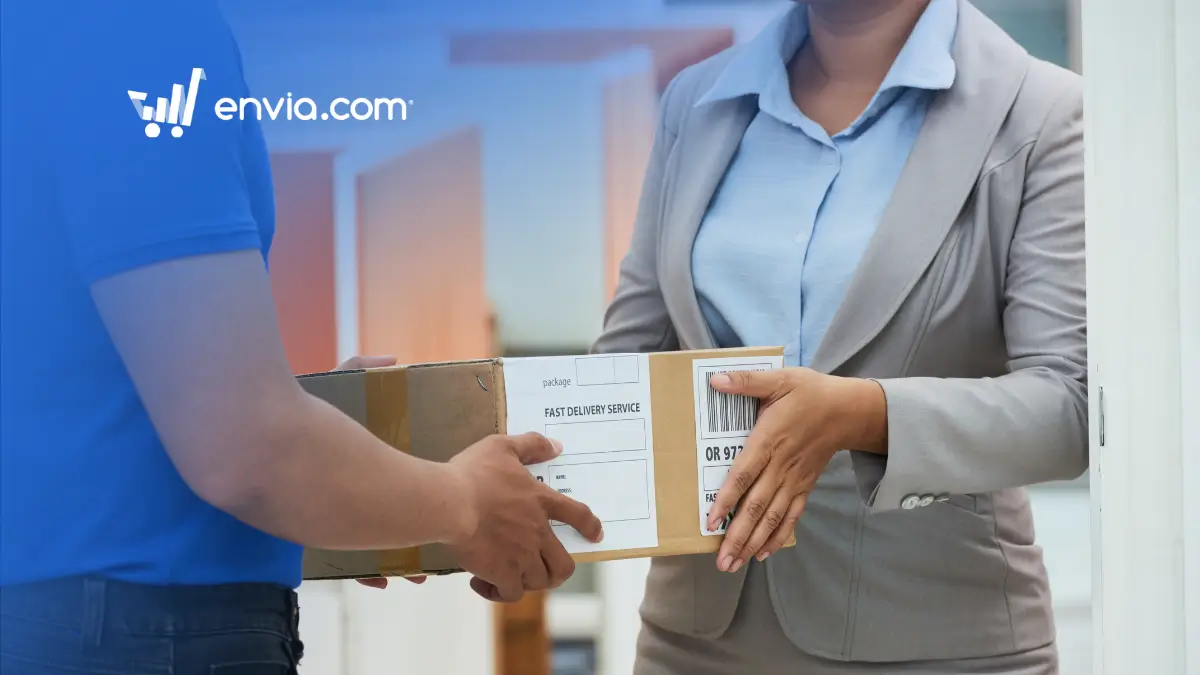
More and more online businesses are offering their buyers the option to pay when they receive their order. For the customer, it's a way to shop with greater peace of mind; for the seller, it's an operational challenge: coordinating shipments, tracking deliveries, and keeping control of the money collected.
Understanding how this model works is the first step to offering it without complicating your operation.
What is cash on delivery?
Cash on delivery is a shipping model in which the recipient pays for their order at the moment they receive it, instead of paying at the time of purchase. According to Tiendanube, it's a collection method in which the customer pays for the products directly upon receiving them at their home. The money is collected according to the terms of the contracted service and later settled to the seller.
This model goes by different names depending on the country and the industry: contra entrega, shipping contra entrega, contrareembolso, or COD (short for Cash on Delivery). In countries like Colombia, for example, the terms "contra entrega" and "pago contra entrega" are the most common.
Offering this option involves much more than dispatching a package. The business needs to manage shipments, check their statuses, track deliveries, and control collections.
How does a cash-on-delivery shipment work?
The process has several stages, from the moment the customer places their order until the seller receives their money:
- The customer makes a purchase. They select a product in the online store and choose to pay when they receive their order.
- The business prepares the shipment. The seller packs the product, enters the recipient's information, and generates the corresponding label, indicating the amount to be collected.
- The carrier makes the delivery. The logistics operator takes the package to the address provided and handles the collection according to the terms of the service.
- The collection is recorded. Once the payment has been collected, the money enters the corresponding settlement process.
- The seller receives the money. The collected amount is transferred according to the terms and timelines set by the service provider, generally after deducting shipping costs and any applicable fees.
Tip: When you work with several carriers, the hardest part is usually knowing which orders have already been paid and which are still pending. Centralizing that information in one place avoids lost payments and discrepancies in your accounting.
Advantages and challenges of cash on delivery
Like any payment method, offering cash on delivery has benefits and points of attention worth knowing before you turn it on.
Advantages for your business
- Greater buyer confidence. Someone who isn't sure about paying online can buy without advancing any money.
- Access to more customers. It lets you sell to people who prefer cash or who don't use cards or digital payments.
- Better shopping experience. It reduces the sense of risk and can help more visitors complete their order.
Challenges you should anticipate
- Rejections or cancellations at delivery. If the buyer changes their mind or isn't available, the shipment may return to the seller.
- Control of collections. Since you don't collect in advance, you need to keep a record of what was delivered, what was collected, and what's pending settlement.
- Cash flow. The money arrives after delivery and settlement, so it's wise to plan inventory purchases and payments with that timing in mind.
How do you choose a cash-on-delivery shipping solution for your ecommerce?
Before choosing a logistics solution, evaluate aspects that go beyond the shipping rate.
Coverage and delivery alternatives
Review the options available for the destinations you sell to. If your business ships domestically, identify which services fit the characteristics of each shipment.
Integration with different carriers
A multicarrier platform gives you access to several logistics operators from one place. This is especially useful for businesses that handle frequent orders or sell to different regions.
Collections management
Check how the money collected from the recipient is processed, what the settlement timelines are, and what information you can access to track your sales. Payout frequency is a key factor in organizing your cash flow.
Shipment tracking
Having information on the status of shipments lets you spot issues and respond promptly to buyers' questions.
Ease of management
A solution that centralizes information and processes reduces operational tasks and lets you dedicate more resources to growing your business.
How can you improve the management of your cash-on-delivery shipments?
In addition to choosing a good solution, there are practices that improve the operation of any online store:
- Confirm the buyer's details. Verify the address, phone number, and any information needed to complete the delivery.
- Communicate purchase terms clearly. Let the customer know how much they'll need to pay on receipt and what the delivery conditions are.
- Track your shipments. Check shipment statuses and pay attention to any updates that could affect delivery.
- Control your collections. Keep a record of delivered orders, amounts pending settlement, and payments received.
- Organize your cash flow. Take the frequency of collections into account when planning inventory purchases, supplier payments, and other commitments.
- Evaluate the available logistics alternatives. A multicarrier platform lets you manage different options depending on your operation's needs.
These actions give you a clearer view of your sales, your shipments, and the money pending collection.
Multicarrier platforms: an alternative for centralizing your operation
When a business works with a single carrier, its options for managing shipments are limited. A multicarrier platform integrates different logistics providers and lets you manage shipments, tracking, and collection information from a single environment.
It's important to distinguish the role of each player: an integrating platform is not a carrier, but the tool that makes it easier to manage shipments with the connected providers.
Envia.com works under this model: it lets you manage shipments with different carriers from a single platform, including services compatible with cash on delivery. For these shipments, collection is in cash only and the service carries a fee. The money collected goes to Ecart Pay, and from there you can request a withdrawal to your bank account; in Mexico and Colombia, withdrawal requests are processed on Tuesdays and Fridays, which helps businesses have greater predictability over their income and better plan inventory replenishment and supplier payments. Keep in mind that collections are subject to the terms of the service, delivery confirmation, and the corresponding settlement processes.
If you have an online store, sell through social media, or run an ecommerce business, you can learn how cash on delivery works in the Envia.com Help Center or sign up for free to explore the platform and centralize the management of your shipments.